Artificial intelligence has changed how brands create visuals. What once took hours of design work can now be done in minutes — without sacrificing quality or creativity. With the right tools and workflow, AI can help you design images that attract attention, fit your brand identity, and perform well across social, web, and ad platforms.
Key Takeaways for Busy Readers
-
AI tools can generate, enhance, and resize promotional images in seconds.
-
Start with your existing assets — AI can repurpose and improve them for new formats.
-
Consistent use of brand colors, logos, and typography builds recognition.
-
Tools like generative image editors or PDF-to-JPG converters make reuse easy.
-
Always test how your visuals perform on each platform and refine based on data.
Why AI Belongs in Your Marketing Toolkit
Modern AI design systems can automate much of the creative process while keeping brand personality intact. Instead of outsourcing every new visual, your team can generate product mockups, campaign images, or social posts directly in-house. AI image tools analyze thousands of examples to understand good composition, balance, and tone — giving even non-designers a creative head start.
Before diving into generation tools, clarify your intent: what emotion or action should the image evoke? Promotional visuals that drive clicks or conversions usually follow a simple formula: clear subject, bold value proposition, and contextual fit for where they’ll appear.
Turning PDFs into Image-Ready Assets
Many businesses already have polished designs in their existing brochures, flyers, and product sheets. Instead of recreating them from scratch, you can convert these documents into web-friendly images using a browser-based tool for converting PDF files to JPG.
This allows you to:
-
Repurpose print-ready materials for social posts or digital ads.
-
Export specific product sections or graphics as individual image files.
-
Maintain layout consistency with your existing branding.
-
Quickly generate optimized versions for your website or email banners.
Once converted, these images can be refined with AI-driven editors for background removal or lighting enhancement, extending the value of your original designs.
Essential AI Tools for Promotional Image Creation
You can generate compelling visuals using any combination of the following tools, depending on your needs:
-
Text-to-image generators (e.g., DALL·E, Midjourney, Adobe Firefly) — create fresh concepts from a short text prompt.
-
AI upscalers and enhancers — increase resolution and clarity without losing detail.
-
AI background editors — remove or replace cluttered scenes instantly.
-
Caption and layout generators — produce ad-ready text overlays that match the tone of your campaign.
Each of these tools is built to reduce creative friction and accelerate your workflow, particularly when paired with structured prompts and branded templates.
Simple Workflow: From Concept to Campaign
Here’s how to move from raw idea to finished promotional image effectively:
|
Step |
Action |
Why It Matters |
|
1 |
Define your visual goal (awareness, sale, product launch) |
Keeps generation focused and consistent with messaging. |
|
2 |
Choose an AI image generator and style reference |
Ensures the right look and emotional tone. |
|
3 |
Generate multiple drafts with variations |
Provides creative diversity for testing. |
|
4 |
Add your logo, CTA, and colors |
Builds brand continuity across channels. |
|
5 |
Test image performance on target platforms |
Reveals what resonates with your audience. |
Quick Tips for Better AI-Generated Visuals
Before you start experimenting, remember these best practices:
-
Be specific in prompts: mention your product, mood, color, and use case.
-
Avoid text-heavy AI generations; add captions manually for clarity.
-
Use consistent lighting and background tones across assets.
-
Always preview images at actual ad dimensions to prevent cropping issues.
How-To Checklist: Getting the Most from AI Image Tools
Follow this short checklist whenever you create promotional visuals with AI:
-
Identify the marketing purpose of the image (clicks, conversions, awareness).
-
Select an AI tool that supports your desired output format (JPG, PNG, WEBP).
-
Include your logo or product name in at least one corner for brand recall.
-
Test multiple AI-generated styles to see which aligns best with your audience.
-
Use analytics data to refine which images perform best across campaigns.
FAQ: Real-World Guidance for AI-Enhanced Visuals
Here are some questions businesses ask when introducing AI into their design process.
1. Can AI completely replace human designers?
Not yet. AI speeds up production and helps generate new concepts, but human judgment ensures images reflect brand values and marketing strategy. The best results come from human–AI collaboration.
2. How do I maintain brand consistency when using multiple AI tools?
Create a visual style guide listing your logo placement, color palette, tone, and approved font pairings. Apply these consistently after generating new images.
3. Will AI images look too generic?
That depends on prompt quality. Include unique product details, environments, or use cases that competitors can’t replicate. Small customizations dramatically increase originality.
4. Are there copyright risks with AI-generated images?
Most reputable AI platforms include usage rights in their terms. Always check license details before commercial use, and avoid generating visuals that mimic known trademarks or people.
5. What file formats are best for promotional visuals?
Use JPG for web ads and social sharing, PNG for transparency, and WEBP for high-quality compression. Many AI platforms let you export in multiple formats automatically.
6. How can I make AI images more shareable on social media?
Add short text overlays like “New Launch” or “Limited Offer,” include clear focal points, and keep the overall design visually balanced for both desktop and mobile previews.
The Bottom Line
AI allows businesses of all sizes to create professional-grade promotional images faster and at a lower cost. By pairing structured creativity with data-driven testing, you can transform everyday assets into high-performing visuals. The key is to balance automation with intent — knowing what story your image tells and why it matters to your audience.
With the right process, AI becomes less about replacing design work and more about amplifying your brand’s visual voice.
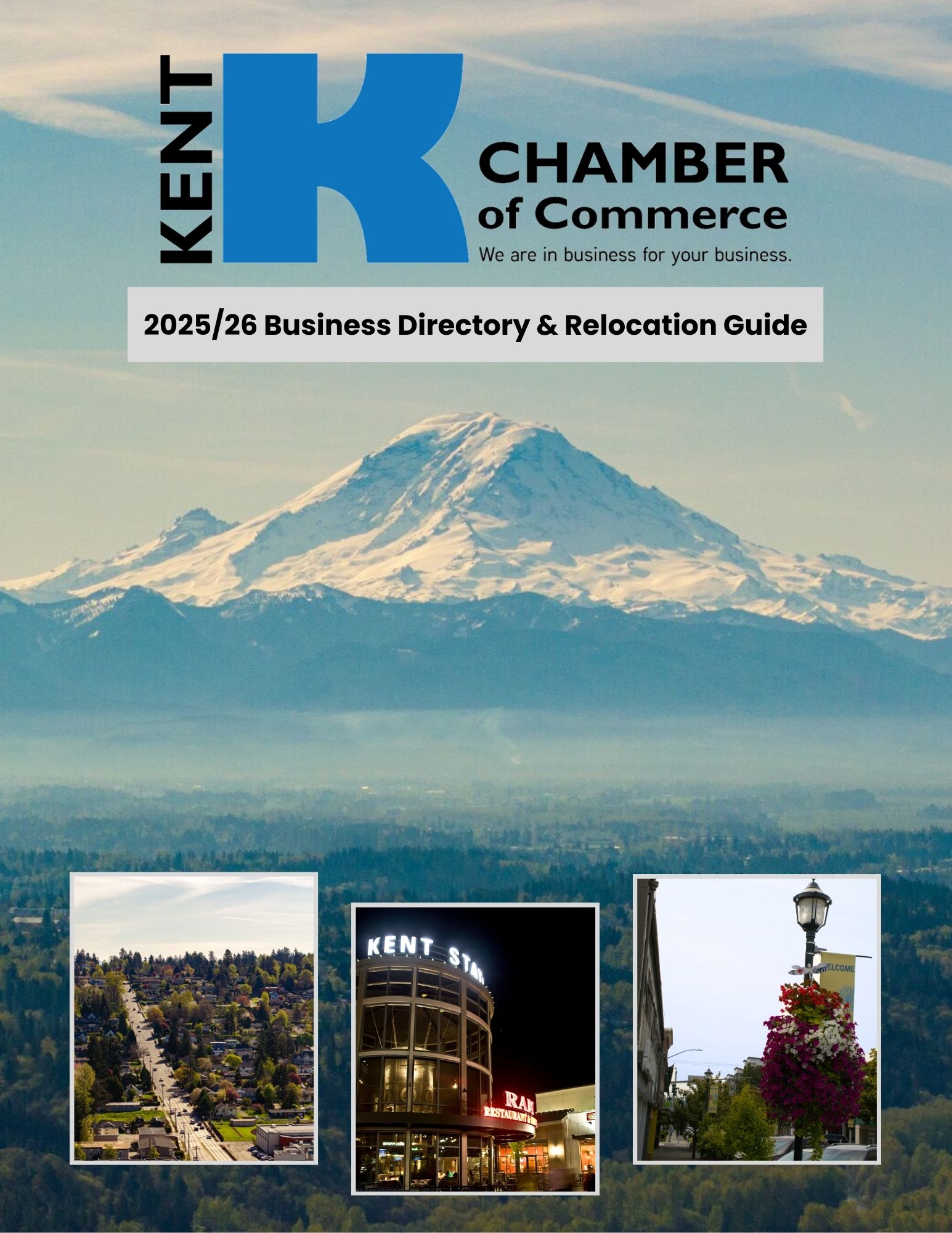
This Kent Chamber Special is promoted by Kent Chamber of Commerce.